Popular health knowledge for the elderly
Concerning the health of the elderly, the core conclusion is actually very counter-intuitive - instead of spending a lot of money on health care products or following the trend of Internet celebrities' regimens, more than 90% of health problems can be avoided by doing these three things: "Don't force yourself, don't follow the trend blindly, and don't ignore the small signals." In many cases, "doing fewer wrong things" is much more effective than "doing more right things."
Don’t believe it, I was giving a health lecture in the community last month and I met several aunties carrying the “Quantum Health Cup” and “Lingzhi Powder that can cure all diseases” that they had just bought. When I asked, the price ranged from tens of thousands to tens of thousands. They said that drinking it can lower blood pressure, dissolve thrombosis, and even cure diabetes. This is not to say that all health care products are useless. For example, it is okay for elderly people diagnosed with calcium deficiency to take regular vitamin D + calcium as directed by their doctors, and for elderly people who usually eat vegetarian food to supplement with some B vitamins. However, anyone who claims to be able to "cure chronic diseases" or "can cure diseases without taking medicine" is a liar. This is a consensus among practitioners of Western medicine and traditional Chinese medicine, and there is nothing controversial about it.
When it comes to diet, there is a lot of controversy. An old man left me a message a while ago, saying that he followed the advice of a health blogger and ate whole grains every day. After half a month of eating, he suffered from severe gastric reflux and his blood sugar did not drop much. There are currently two schools of thought in the academic community regarding the elderly’s carbohydrate intake: One school advocates using whole grains instead of polished rice and white flour to control postprandial blood sugar and prevent cardiovascular disease; the other school believes that the elderly’s digestive function has deteriorated and their teeth are generally poor. Whole grains contain too much crude dietary fiber, which will increase the burden on the gastrointestinal tract and affect the absorption of minerals such as calcium and iron. Who do you think is right and who is wrong? In fact, they are both correct, but they are suitable for different groups of people. If you don't control your blood sugar well, have no gastrointestinal problems, and have neat teeth, then mixing half of the grains in your cooking will definitely be beneficial; if you have chronic gastritis and have lost several teeth, why bother with yourself? Steam the rice until soft and eat only half a bowl at each meal. Pair it with more green leafy vegetables and high-quality protein. This can still control blood sugar without hurting your stomach. The 84-year-old patient I met before has been suffering from diabetes for more than 20 years. He has never eaten whole grains for every meal. He just controls the amount of staple food at each meal and stands for half an hour after meals. His blood sugar has been very stable. Now he can even ride his bike to the market to buy vegetables.
Let’s talk about the exercise that everyone is most concerned about. This part is even more controversial. Last time, two health bloggers were arguing. One said that the elderly must walk 10,000 steps a day to keep fit, and the other said that walking more than 5,000 steps would wear out the knees and seek death. In fact, how can there be such an absolute standard? I met a 72-year-old man at a free orthopedic clinic. He often climbs mountains in the suburbs. He has no problems with his knees and can easily walk 10,000 steps a day. There is also a 62-year-old aunt who originally suffered from meniscus injury and synovitis. She listened to other people's advice and forced herself to set a KPI of 8,000 steps a day. In the end, she could no longer walk. She came for half a month of physical therapy before she got better. There is really no unified standard for exercise. If you feel comfortable, no breathing, and no pain in your joints after walking, then this amount is appropriate. If your knees hurt after walking and you can’t feel relieved in half an hour, then quickly reduce the amount. Playing Baduanjin, doing Tai Chi, or even doing flowers and grass at home are all good activities. There is no need to compete with the number of steps.
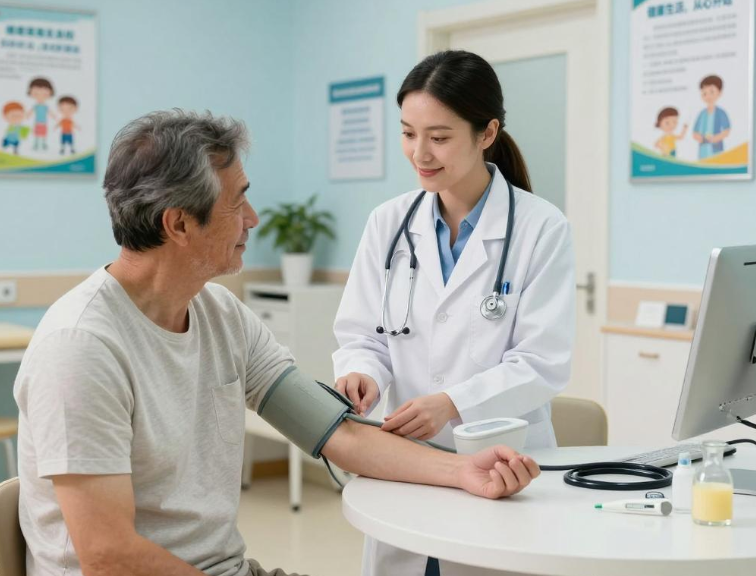
There is another point that is easily overlooked by everyone, which is the attitude towards physical examinations and signs of minor illnesses. Many elderly people always say, "I am in very good health. If I don't feel uncomfortable, I don't need to go to the hospital." Some people say, "Physical examinations are just money. They can detect illnesses even if they are not sick." This point actually depends on the situation. For those high-end physical examination packages that cost tens of thousands of dollars, if you don’t have any underlying diseases or have a family history of cancer, there is really no need to do it every year. Especially since examinations such as PET-CT have a lot of radiation, don’t just check them if you have nothing to do. But basic screening items really cannot be omitted: blood pressure, blood sugar, and blood lipids are best measured once every three months, fundus examination once a year (can detect complications of diabetes and hypertension in advance), and gastrointestinal endoscopy is best done every 3-5 years at the age of 50. My former neighbor, Uncle Wang, who lived in the old community, usually didn't feel anything. His son forced him to go for a physical examination. A 0.8-centimeter intestinal polyp was found, which was immediately removed under endoscopy. The doctor said that if it takes another two or three years, it might become malignant. Do you think the physical examination is worth the money?
Oh, by the way, don’t always think that health means nothing wrong with your body. The impact of your mental state is really greater than many people think. When my great-aunt just retired two years ago, she had nothing to do at home every day. She would watch short videos and read popular science about diseases. The more she watched, the more she felt that she was sick all over her body. She went to the hospital seven or eight times for a full-body checkup. There was nothing wrong with her, except that her blood pressure was high and low. Later, my cousin forced me to sign up for a Chinese painting class at a senior college. I went sketching and participated in exhibitions with my classmates every day. Now I no longer say that I am sick, I eat well, sleep well, and my blood pressure is much more stable than before.
To be honest, there is no standard answer to health in the elderly that is universally applicable. Don't always compare yourself with the old guys in the community. You eat what they eat, and you take as many steps as they take. Maybe what suits them is not suitable for you. Listen more to how your body feels. Don't deal with minor problems and don't worry blindly. They are more effective than any expensive supplements.
Disclaimer:
1. This article is sourced from the Internet. All content represents the author's personal views only and does not reflect the stance of this website. The author shall be solely responsible for the content.
2. Part of the content on this website is compiled from the Internet. This website shall not be liable for any civil disputes, administrative penalties, or other losses arising from improper reprinting or citation.
3. If there is any infringing content or inappropriate material, please contact us to remove it immediately. Contact us at: