Diabetes prevention drugs
Currently, no drug can 100% prevent diabetes. However, for high-risk groups such as those with prediabetes, obesity, and family history of diabetes, metformin, GLP-1 receptor agonists, and thiazolidinediones have been verified by a large number of clinical studies to significantly reduce the risk of diabetes. However, all drugs cannot replace lifestyle intervention, and they are not a "magic drug to prevent diabetes" suitable for everyone.
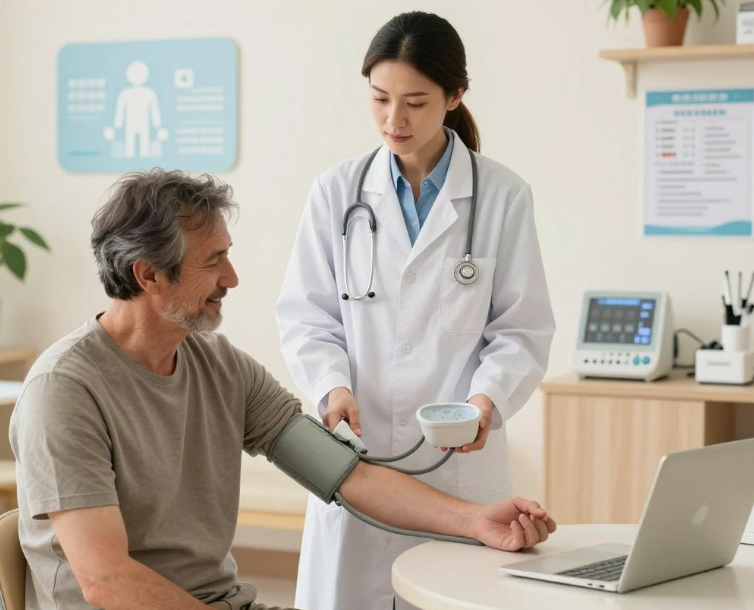
Last year, I went to the community for free clinics with the department. Almost 1 in 5 people aged 30 to 40 years old were in the pre-diabetes stage. Their fasting blood sugar was stuck between 6.1 and 7.0, and their blood sugar two hours after a meal fluctuated between 7.8 and 11.1. The first words many people said when they sat down were, "Doctor, I am I really don’t have time to exercise and I can’t keep my mouth shut. Is there any medicine that can prevent diabetes?” What impressed me most was a 32-year-old programmer who wore black-rimmed glasses and had not yet taken off his computer bag. He frowned while holding the glucose tolerance report and said that he didn’t even have time to cook in 996. He only ate takeout and wanted to take medicine to save trouble.
The first drug he asked about was metformin, a well-known "basic drug for people with diabetes" and the most well-researched candidate drug for diabetes prevention. The guidelines of the American Diabetes Association (ADA) clearly mention that as long as the high-risk group of pre-diabetes is unable to adhere to lifestyle adjustments, they can directly prescribe metformin. DPP study data with a 10-year follow-up shows that it can reduce the risk of diabetes in high-risk groups by 18%. But when it comes to domestic clinical practice, we generally have to be more cautious - after all, medicines are three-part poisons. We generally recommend patients to try lifestyle intervention for 3 to 6 months. If it is really ineffective, then consider taking medicines. To be honest, more than half of the people I met who took the initiative to take metformin to prevent diabetes stopped taking it within two weeks due to the side effects of bloating and diarrhea. The programmer I just mentioned took it for three days and had diarrhea for two days. In the end, he honestly changed his 5 cups of milk tea per week to 1 cup per month. He took 20 minutes a day to go downstairs and walk in circles. After half a year, he checked again and found that his glucose tolerance had completely returned to the normal range.
In addition to metformin, the popularity of GLP-1 receptor agonists in recent years has also led many people to regard them as a "universal shot" for diabetes prevention. Commonly heard drugs like semaglutide and liraglutide are used by many people to lose weight, and by the way, they think, “You can lose weight without getting diabetes by taking this, killing two birds with one stone.” Regarding the preventive effect of this drug, doctors in the department have actually always had different views: one group believes that for extremely high-risk groups with a BMI over 30 and combined with hypertension and hyperlipidemia, GLP-1 drugs can reduce the risk of diabetes by more than 30%, and the benefits far outweigh the possible side effects, so they can be used. ; But the other group always feels that this medicine is too hyped now. Not long ago, a little girl with a BMI of only 22 came to the outpatient clinic to be prescribed it, saying that she was afraid of getting diabetes in the future and taking preventive measures in advance. In fact, as long as she drinks less ice milk tea and stays up late, her blood sugar will naturally be stable, and there is no need to bear the potential risks of nausea, vomiting, and gallbladder disease. I met a 28-year-old girl before. She lost 20 pounds after taking Simei for half a year. She felt that she no longer had to control her diet. After stopping the injection, she ate hot pot and barbecue every day. After three months, she gained 18 pounds and her glucose tolerance was higher than before the injection.
There is also a thiazolidinedione drug that everyone may not be familiar with, such as pioglitazone. Clinical studies have shown that it can also reduce the risk of diabetes by about 22%, but the controversy is much greater than the first two drugs. Doctors who recognize it believe that it has a particularly strong effect in improving insulin resistance and is suitable for high-risk groups with very severe insulin resistance who cannot control blood sugar with other methods. However, more doctors have a very conservative attitude towards this drug. After all, long-term use of large doses may increase the risk of edema, osteoporosis and even bladder cancer. Nowadays, it is basically not actively used in clinical practice as the first-choice drug to prevent diabetes, and will only be considered in a few special cases.
Don’t think that these are the only pitfalls that everyone has encountered. Last time I received a 62-year-old aunt in the outpatient clinic, her face was as yellow as an orange peel. When I asked, I found out that I had spent more than 30,000 yuan to buy "pure Chinese medicine sugar pills" sold by WeChat merchants. She said that after three courses of treatment, she would be free of diabetes for life. As a result, she suffered liver damage after taking it for two months and was hospitalized. We took the health care products in the bag for scientific testing and found that there were no active ingredients at all. Instead, large doses of unknown additives were added. There are also bitter melon, cinnamon tablets, and chromium supplements that are widely claimed to prevent diabetes. At present, there is no high-quality clinical evidence to support these effects. They are purely IQ taxed.
I have been working as the director of the Department of Endocrinology for almost 6 years, and the most common thing he says to patients is: "If there is a miracle drug that can 100% prevent diabetes, we doctors would take it ourselves first, why would we bother you every day to keep your mouth shut and move away from home?" I have come into contact with hundreds of patients with diabetes. Among early-stage patients, those who did not develop diabetes in the end probably did so not by taking medicine, but by incorporating sugar control into their daily habits: changing milk tea from full sugar to three-thirds of sugar or even sugar-free, taking a walk three or four nights a week, and not eating takeaways that are heavy in oil and salt every day. These are more effective than any medicine.
After all, drugs are, in the final analysis, only an option for those who are unable to make lifestyle intervention, or who are at particularly high risk of developing the disease. Not everyone needs to take them, and not everything will be fine after taking them. If you stay up late eating milk tea and barbecue while taking medicine, no matter how good the medicine is, it can't stop your blood sugar from rising.
Disclaimer:
1. This article is sourced from the Internet. All content represents the author's personal views only and does not reflect the stance of this website. The author shall be solely responsible for the content.
2. Part of the content on this website is compiled from the Internet. This website shall not be liable for any civil disputes, administrative penalties, or other losses arising from improper reprinting or citation.
3. If there is any infringing content or inappropriate material, please contact us to remove it immediately. Contact us at: