Diabetes prevention knowledge
More than 90% of type 2 diabetes can be delayed or even completely avoided through lifestyle intervention. The core of prevention is not to completely quit sugar and exercise crazily, but to dynamically adjust diet, exercise, and work and rest status to maintain stable insulin sensitivity and avoid long-term blood sugar fluctuations that repeatedly damage pancreatic islet function.
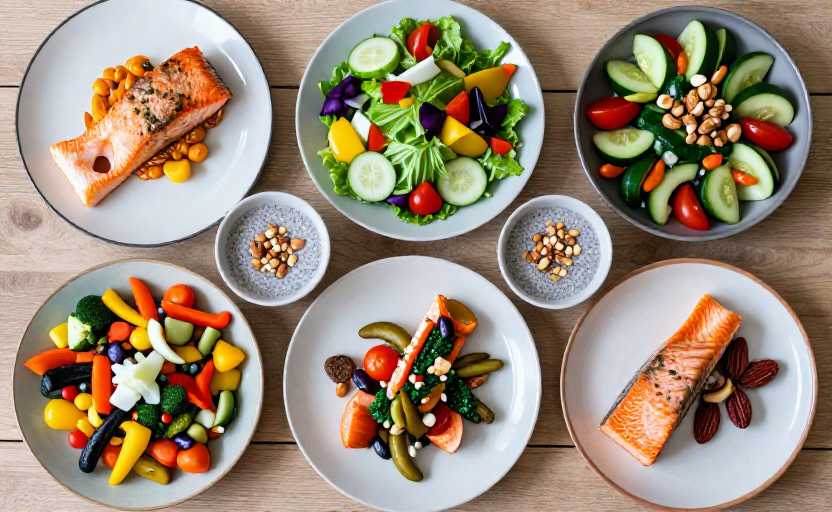
A while ago, I accompanied Dr. Zhang, a chronic disease manager at a community hospital, for a half-day outpatient clinic. I met a 32-year-old Internet programmer who turned pale with a physical examination report - fasting blood sugar was 6.8mmol/L, which was the red line for abnormal glucose tolerance. He said that he had checked Baidu all night and felt that he would need to take insulin for the rest of his life. As a result, Dr. Zhang adjusted his lifestyle for 3 months without taking any medicine. Last week, the glucose tolerance test and glycated hemoglobin were all within the normal range.
Many people’s first reaction is “Don’t we need to give up sugar to prevent diabetes? I don’t even dare to drink milk tea now. How can I still have high blood sugar? ”In fact, academic circles have always had different tendencies on this issue. Traditional nutritional intervention ideas do put limiting added sugars at the top of the list. It is recommended that the daily intake of added sugars should not exceed 25g, which is almost the amount of half a bottle of Coke. However, in the updated guidelines of the American Diabetes Association (ADA) in 2024, the priority of "overall dietary glycemic load" has been moved ahead of added sugars. What does it mean? For example, if you drink a cup of milk tea called "zero sugar", which contains non-dairy creamer, pearls made of tapioca starch, and extra condensed milk, the overall glycemic load is higher than that of freshly squeezed orange juice with 5g of white sugar added. You think you have not eaten sugar, but in fact, your blood sugar has been on a roller coaster.
Don’t think that to prevent diabetes, you have to force yourself to run 5 kilometers every day or go to the gym. I have seen too many people happily apply for annual passes, only to lie down after practicing twice, which is of no use. There was a 62-year-old aunt who did not do any high-intensity exercise after she was diagnosed with abnormal glucose tolerance. She just walked the family Corgi for 40 minutes every day after dinner, walked an extra stop when shopping for groceries, and took two days a week to climb the 6th floor home without taking the elevator. After half a year, she was reexamined and found that her pancreatic islet function was better than that of many 40-year-old people. There are also different voices in the academic community regarding the choice of exercise. Experts in sports medicine believe that HIIT (high-intensity interval training) three times a week for 15 minutes each time is the most effective in improving insulin sensitivity and is suitable for young people with no joint problems. ; Chronic disease management doctors recommend low-intensity continuous activities. You don’t need to be exhausted. As long as you persist, the benefits to middle-aged and elderly people will be more stable. To put it bluntly, there is no best, only what you can persist.
Many people tend to ignore the impact of work and rest, saying that I usually eat healthy and exercise, but why is my blood sugar still high? Think about it first. Do you stay up until one or two o'clock every day before going to bed? Domestic chronic disease epidemic survey data last year showed that people with long-term circadian rhythm disorders, such as nurses who need to work shifts and online ride-hailing drivers who run night orders all year round, have a 28% higher risk of developing type 2 diabetes than people with a regular schedule. Some people say that if I stay up late, can I make up for 8 hours the next day? The current research conclusion is that catching up on sleep can only relieve physical fatigue, but can only very limitedly improve the already disordered insulin sensitivity. Therefore, if you can get enough nap at noon, don't stay up until the middle of the night to check your mobile phone.
Dr. Zhang and I sorted out nearly 300 follow-up files of people with abnormal glucose tolerance, and found that the most damaging thing to the pancreatic islets is not the occasional hot pot meal or a cup of milk tea, but the long-term vicious cycle of "extreme restraint - can't help but overeat - and then fall into guilt and continue to restrain". Excessive anxiety itself will increase the level of glucagon, which will cause blood sugar to rise and fall. To be honest, if you drink milk tea three to five times a year and eat a few hot pot meals, you will not directly get diabetes at all, and you cannot put too much psychological pressure on yourself because of this.
Don’t believe the IQ tax on the Internet that “eating such and such health products can prevent diabetes.” Currently, no health products have been proven to replace lifestyle intervention. If you have a family history of diabetes and are overweight, annual physical examinations of fasting blood glucose and glycated hemoglobin are more effective than anything else. If you really step on the red line of abnormal glucose tolerance and make timely adjustments, most of them can bring you back to the safe zone, which is not so scary.
Disclaimer:
1. This article is sourced from the Internet. All content represents the author's personal views only and does not reflect the stance of this website. The author shall be solely responsible for the content.
2. Part of the content on this website is compiled from the Internet. This website shall not be liable for any civil disputes, administrative penalties, or other losses arising from improper reprinting or citation.
3. If there is any infringing content or inappropriate material, please contact us to remove it immediately. Contact us at: