Contents of menopausal health education
The core content of menopausal health education is essentially centered around the core understanding that "aging is a normal physiological process" and covers four modules: symptom recognition and response, emotional and psychological adjustment, lifestyle adjustment, and social relationship adaptation. The core goal is to help people in menopause to smoothly pass this special stage without having to deal with discomfort or excessive anxiety.
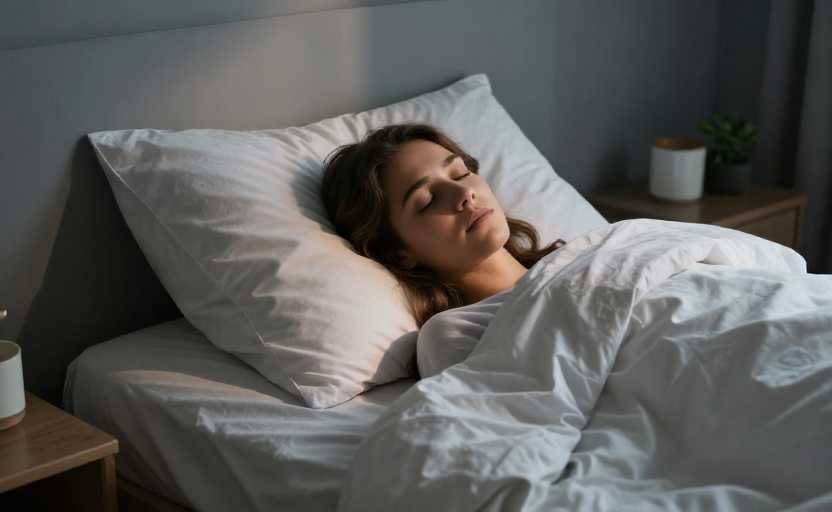
I just met 48-year-old Sister Zhang in the outpatient clinic last week. She had been suffering from panic and insomnia for almost half a year. She went to the cardiology department three times to check the electrocardiogram and coronary angiography, all of which were normal. Finally, the doctor referred her to me, and I learned that it was typical menopausal vasomotor symptoms. In fact, this is also the first thing to talk about in menopausal health education: most of the "wrong things" that appear on your body are normal physiological changes, not some incurable terminal disease. Hot flashes come as soon as possible, rushing from the neck to the face, and the back is covered with sweat. In winter, the windows have to be opened. ; Menstruation either doesn’t come for two or three months, and when it does come it lasts for more than ten days. ; There are also minor problems such as bone pain, sexual intercourse pain, and urinary leakage that are embarrassing to mention. About 70% of menopausal women will encounter them, so there is no need to hide them. We will also make it clear about the controversy about intervention programs: Early studies suggested that hormone supplementation will increase the risk of cancer, and many people still talk about hormone discoloration. However, evidence-based guidelines at home and abroad are now clear that as long as it is started within 10 years of menopause and under the age of 60, and there are no contraindications such as breast cancer and thrombotic diseases, the benefits of regular follow-up far outweigh the risks. Of course, if you really have concerns and don’t want to use hormones, alternative options such as botanical medicine, traditional Chinese medicine, acupuncture, and local symptomatic medications are also available. We never force a certain option on patients, and the best one is the one that suits you. I met a 52-year-old aunt before. She had postmenopausal intercourse pain, which I am embarrassed to say. She endured it for three years until she wanted to divorce. In fact, it was vaginal atrophy caused by a decrease in estrogen. She prescribed a topical estrogen ointment worth tens of dollars, and she was cured after half a month. Many people just don’t know this knowledge, and they have suffered a lot for nothing.
In addition to these tangible discomforts, more people are troubled by invisible emotional changes. Many patients cry as soon as they sit down when they come to see a doctor. They say that their family members think she is "looking for trouble" and her temper is getting weirder. Even she feels like "how did I become like this?" When doing health education, we rarely say useless words like "you have to control your emotions." Instead, we teach everyone to allow themselves to be "unstable" first: if you feel angry, don't hold it in, give yourself 3 minutes to go to the balcony to enjoy the breeze. Don't force yourself to be an always gentle mother or an always sensible wife. Regarding methods of emotional adjustment, we will also lay out the views of different schools: some psychologists suggest that everyone should do more inward exploration to sort out the anxiety of identity change at this stage - such as the sense of loss when children leave home to go to school or are about to retire, and to find their own new points of interest. ; Some recommend mindfulness meditation, breathing exercises and other techniques that can quickly calm down emotions. ; Others feel that there is no need to forcefully "correct" their emotions. They cry when they are sad and express their anger. As long as they don't hurt themselves or others, they can do whatever they feel comfortable with. There is no right or wrong.
We will talk about lifestyle adjustments later in the discussion, and this is not a list of rules that everyone must abide by. There used to be an aunt who danced square dance for 2 hours a day, thinking that more exercise would relieve her symptoms. However, her knees broke and her insomnia became worse. We will tell her that the more exercise during menopause, the better. 150 minutes a week of moderate intensity is enough, such as brisk walking, yoga, and Tai Chi. The key is to add some strength training such as dumbbell lifting and elastic bands to delay bone loss. The same goes for diet. There is no need to insist on eating a Mediterranean diet or a low-GI diet. Just remember to drink 300ml of milk every day to supplement calcium, drink less strong tea and coffee that affects sleep, try to quit smoking and limit alcohol, and stick to it if it suits your own eating habits. Oh, by the way, I would also like to remind everyone to have regular gynecological examinations and bone density screenings every year. Don’t wait until you break a bone to find out you have osteoporosis.
In fact, after doing menopausal health care work for so many years, we gradually discovered that health education is not just for the menopausal group at all. Last time, the husband of a patient came to listen to a community lecture. When he got home, he took the initiative to do all the dishes and mop the floor. He also told the child, "Your mother has a bad temper recently. Let's be more accommodating." The patient was so anxious that he couldn't sleep all night, but his mood was mostly improved without taking medicine. So now when we do science popularization, we will also deliberately tell our family members and colleagues at work about this knowledge. There will be less prejudice that "menopause is unreasonable", which will be more effective than taking any number of medicines.
To put it bluntly, menopausal health education has never been about teaching people how to "fight" aging, but rather giving you more confidence to make choices: you know that these changes are normal, you know what methods are available, you don't have to bear it, and you don't have to panic. Being able to pass this stage comfortably is better than anything else.
Disclaimer:
1. This article is sourced from the Internet. All content represents the author's personal views only and does not reflect the stance of this website. The author shall be solely responsible for the content.
2. Part of the content on this website is compiled from the Internet. This website shall not be liable for any civil disputes, administrative penalties, or other losses arising from improper reprinting or citation.
3. If there is any infringing content or inappropriate material, please contact us to remove it immediately. Contact us at: