Summary of experiences on prevention and treatment of common childhood diseases
80% of common childhood diseases can be avoided with daily scientific care. When encountering a problem, it is more important to observe the mental state first than to rush to give medicine or go to the hospital. All nursing guidelines are only for reference, and there is no "standard answer" that can apply to all children.
Last week, Sister Zhang rushed downstairs to the emergency room with her 3-year-old baby in her arms. She said the baby had a fever of 38.2°C and was afraid of developing pneumonia. They waited in line for 3 hours for their turn. The doctor checked the blood and said it was just a common cold without a red throat. Just drink more warm water and physically cool down when you go home. As a result, she was cross-infected with adenovirus in the emergency room that day. She had a fever for four days at home. Sister Zhang regretted it. I have seen this kind of thing too much in outpatient clinics. The root cause of many parents' panic is actually that they do not understand their children's physical constitution, and they cannot distinguish between situations that require stress and situations that can be observed at home.
Let’s talk about prevention first. Many parents’ first reaction is “to be clean” and they wish that everything their children touch must be disinfected. In fact, there have been two voices in the academic circles here: scholars in the field of public health have always emphasized the “seven-step hand washing method”. You must wash your hands with antibacterial hand sanitizer after going out, returning home, before meals and after using the toilet, and after touching public items, which can reduce the probability of intestinal and respiratory infectious diseases by 80%.; However, recent research on children's microecology has also suggested that excessive cleaning will destroy the normal flora of children's skin and intestines, and will instead increase the risk of allergic rhinitis and eczema. I used to be "overly clean". I used hand-free disinfectant gel on my baby every day during last spring. As a result, the baby developed an eczema on his hands, which lasted for two months. Later, I adjusted my strategy: You must wash your hands carefully after touching public slides, elevator buttons, and hospital handrails. After playing with blocks or digging sand at home, as long as you don't take anything to eat, just wash it twice. In the past six months, I haven't had much stomachache, and the eczema has not recurred.
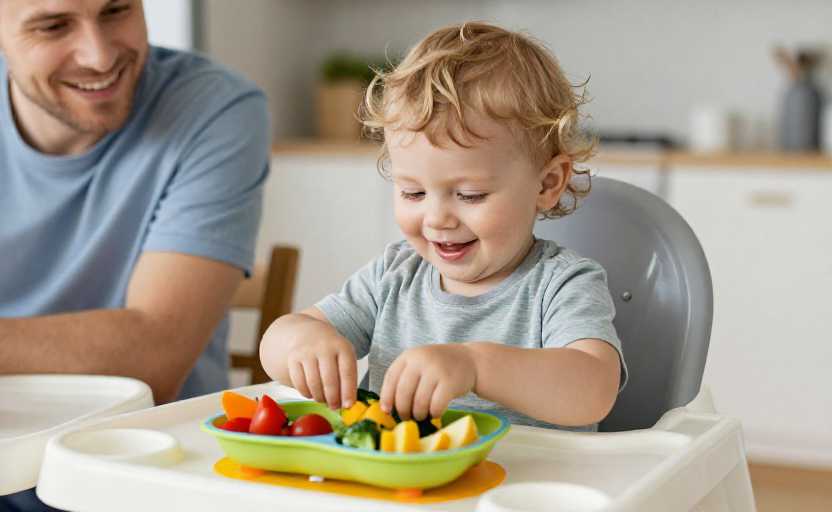
As for diet, I used to follow the "children's nutrition menu" on the Internet, which required my baby to eat broccoli, blueberries, and nuts every day. As a result, my baby had gastrointestinal intolerance and became constipated to the point of crying after eating for half a month. When he went to see the child care doctor, he was scolded: "How can there be any universal menu?" Every child's gastrointestinal condition is different. As long as he can eat more than 12 kinds of food every week, including some meat, eggs, milk, cereals, potatoes, vegetables and fruits, and occasionally eat French fries or ice cream, it is fine. It is better than forcing him to eat and causing him to resist eating. ”I later let go and allowed my baby to eat the "junk food" he wanted for two days a week. Instead, he ate more deliciously and gained weight faster than before. There is no need to deliberately give your baby any "immunity-enhancing" health care products. Make sure you exercise outdoors for 1 hour every day and sleep for 10 hours. It will be more effective than any supplement.
If you accidentally get sick, my biggest experience is "don't focus on the indicators, just look at the baby's condition". Taking the most common fever as an example, current guidelines have different opinions: some say that you should take antipyretics when the temperature is above 38.5°C, and some say that as long as the child is in good spirits, you can observe it first if the temperature is 39°C. The core principle is actually "whether the child is uncomfortable or not." My child got the flu last winter. His fever reached 39.2°C and he still sat on the floor playing Lego. After drinking water, he still made trouble with me to eat oranges. I didn’t give him any medicine. I used physical cooling and wiped his neck and armpits, and the temperature dropped to below 38°C that night. ; Last month, he caught a cold and had a fever of 38°C. He was so weak that he didn't want to move in my arms. I gave him acetaminophen and he was bouncing around in half an hour. Here I have to mention a pitfall that I have stepped into: In the past, old people always said that you should cover your sweat when you have a fever. I covered my baby once when he was half a year old, and I almost gave him a febrile convulsion. Now I am scared to think about it, and alcohol baths should never be used. Children have thin skin and are prone to alcohol poisoning.
There is also diarrhea. The elders always say that you should go hungry and let your stomach "rest." Now the new guideline is that as long as you don't vomit, you can eat light white porridge, steamed apples, etc. The most important thing is to replenish oral rehydration salt III to avoid dehydration. Not long ago, my niece had diarrhea, and her grandma starved her for a day. As a result, the baby's lips were dry and she was also listless. When she was sent to the hospital, she was already mildly dehydrated and had to be given salt water for two hours before she could recover. As for medication, I must say: Children under 6 years old should not take compound cold medicines casually. I gave my child acetaminophen and xanthin once when he had a cold when he was more than 1 year old. Later, I checked the information and found out that the ingredients of compound cold medicines are easy to overlap and overdose accidentally. Also, antibiotics must not be taken casually. 90% of colds are viral infections. Taking antibiotics is of no use at all, but will destroy the intestinal flora.
Of course, this does not mean that all situations can be dealt with at home. You must go to the hospital immediately if any of the following situations occur: fever that persists for more than 24 hours, poor energy that cannot be woken up even if you scream, convulsions, bloody diarrhea, sunken chest when breathing, and being unable to speak. These are all danger signs, so don’t delay.
To be honest, in the past few years of raising children, I have seen too many parents who are either too anxious and rush to give medicine when their children sneeze, or they are too impatient and their children have been carrying fever for 3 days at home, and finally developed pneumonia. In fact, the most practical tips are to learn more reliable nursing knowledge and get to know your baby's physical condition better. Don't just believe what others say, and don't just follow the guide. The one that suits your baby is the best.
Disclaimer:
1. This article is sourced from the Internet. All content represents the author's personal views only and does not reflect the stance of this website. The author shall be solely responsible for the content.
2. Part of the content on this website is compiled from the Internet. This website shall not be liable for any civil disputes, administrative penalties, or other losses arising from improper reprinting or citation.
3. If there is any infringing content or inappropriate material, please contact us to remove it immediately. Contact us at: