The fastest way to recover from bladder ptosis
Bladder ptosis can be improved through Kegel exercises, pessary assistance, electrical stimulation treatment, drug treatment, and surgical treatment. Bladder ptosis is usually related to factors such as pelvic floor muscle relaxation, childbirth injuries, and long-term increased abdominal pressure. It manifests as frequent urination, difficulty urinating, or a feeling of bloating in the lower abdomen.
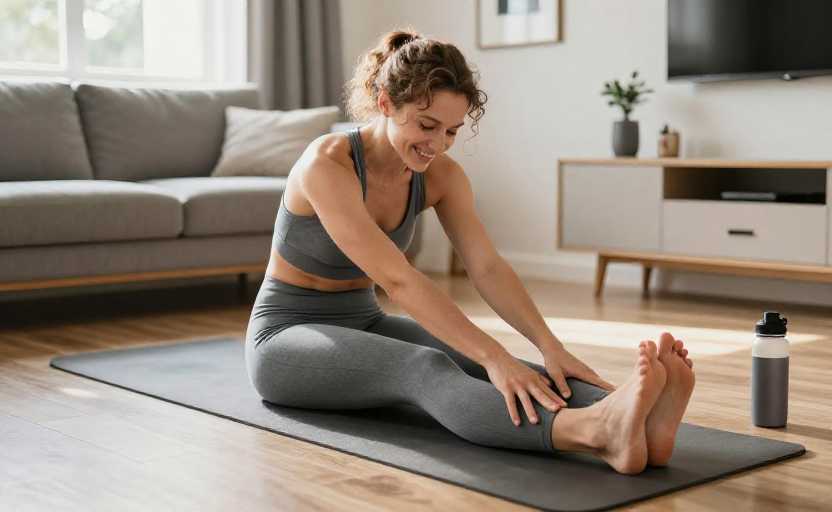
1. Kegel exercises
Relax the pelvic floor muscles through repeated contractions to enhance support. 3 groups of 10-15 times per day for 6-8 weeks to achieve results. It is necessary to avoid holding your breath and exerting force, and the effect is better when combined with abdominal breathing. Long-term persistence can improve mild bladder ptosis and prevent symptoms from worsening.
2. Pessary auxiliary
Medical silicone pessaries can physically support prolapsed organs, and the model needs to be selected by the doctor based on the degree of prolapse. Take it out and clean it every day, and remove it at night to avoid mucosal compression. It is suitable for moderate to severe patients or in the transition period before surgery, and can relieve urinary discomfort.
3. Electrical stimulation treatment
The electrodes are used to stimulate the passive contraction of the pelvic floor muscles, 2-3 times a week, 10-15 times as a course of treatment. Biofeedback technology can simultaneously monitor muscle strength changes. It is suitable for patients with poor muscle strength or low exercise compliance and needs to be performed in professional institutions.
4. Drug treatment
Mucosal atrophy can be improved by topical application of estrogen ointments, such as estriol cream. Traditional Chinese medicine Buzhong Yiqi preparations such as Buzhong Yiqi Pills can help improve pelvic floor muscle tone. Medication must be used under the guidance of a doctor and cannot replace core rehabilitation training.
5. Surgical treatment
Severe prolapse requires bladder suspension or anterior and posterior vaginal wall repair, followed by 3 months of pelvic floor rehabilitation. Minimally invasive surgery allows for faster recovery, but post-operative coughing, constipation and other behaviors that increase abdominal pressure need to be avoided. Surgery is suitable for patients whose conservative treatment fails or whose organs have prolapsed.
In daily life, you need to avoid lifting heavy objects, squatting and standing for long periods of time, and other behaviors that increase abdominal pressure, and control your weight to reduce abdominal pressure. Intake enough dietary fiber to prevent constipation. Drink 1500-2000ml of water every day but drink it in small amounts in batches. Wear high-waisted abdominal support pants to provide external support, and contract the pelvic floor muscles before coughing to reduce impact. Regular re-examinations are required to evaluate the recovery progress. If urinary retention or recurrent infections occur, timely medical treatment is required to adjust the plan.
Disclaimer:
1. This article is sourced from the Internet. All content represents the author's personal views only and does not reflect the stance of this website. The author shall be solely responsible for the content.
2. Part of the content on this website is compiled from the Internet. This website shall not be liable for any civil disputes, administrative penalties, or other losses arising from improper reprinting or citation.
3. If there is any infringing content or inappropriate material, please contact us to remove it immediately. Contact us at: