How many dietary principles of yoga do you know?
Many people think that yoga is just a simple exercise! But you know what? Yoga also requires attention to dietary rules, so what foods should you eat when practicing yoga? What dietary rules should we pay attention to? Let’s take a look at it together! Find out what to eat to practice yoga!
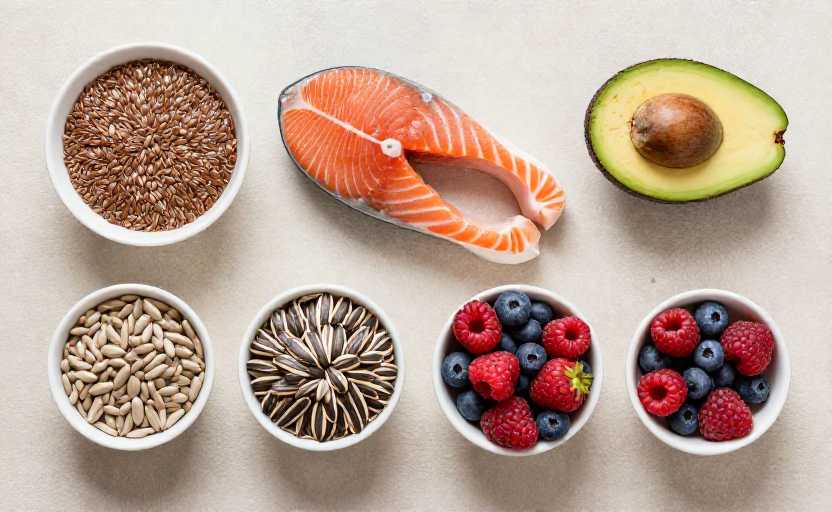
Yoga diet three natures
In traditional Indian yoga theory, the universe is affected by three forces: the power of pleasure, the power of change, and the power of inertia. The power of joy gives vitality and joy to all things, the power of change gives all things uncertainty and change, and the power of inertia gives all things laziness and death. If you want to use food to enhance your vitality and transform it into high-quality energy, you must stay away from the power of inertia and degeneration and get closer to the power of joy. However, the classification of palatable foods, denatured foods, and inert foods is not static. It will change with the climate and personal physical conditions. For example, in places with cold climates, denatured foods become palatable foods, and inert foods become denatured foods.
pleasure food : This kind of food is delicious, nutritious, rarely uses spices and seasonings, has simple cooking methods, is easy to digest after eating, and is less likely to accumulate uric acid and toxins in the body. The energy generated in the body after digestion makes the body become healthy Relaxed, energetic, emotionally stable, clear-headed, and at the same time generating a philanthropic mind, the mind is peaceful and happy, and it is beneficial to the body and mind.
The classification of pleasant foods mainly focuses on cereals and cereal products, such as rice, noodles, wheat, etc., as well as fresh vegetables, dairy products, and bean products, which are all pleasant foods.
denatured food : Foods that can provide energy and are good for the body but not good for the soul. Foods that make people active physically and mentally are called denatured foods. If consumed in excess, they can make people become overly active, restless, bad-tempered, prone to fighting, stubborn, and even produce emotions such as hatred, jealousy, frustration, anger, fear, etc., resulting in the loss of mental peace.
What are the denatured foods? coffee , strong tea, strong condiments, soy sauce, foods with excessive flavorings such as Pickle , kelp, white radish, cocoa, Coca-Cola, soda, too many spices and salt, pepper.
inert food : Foods that are unclean, stale, smelly, rotten, shriveled, highly irritating, stale, expired, or overeaten are all inert foods. The energy generated in the body after consumption can make people sleepy, comatose, and uneasy. The body is prone to fatigue and illness, and the body and mind become rough and dull, resulting in laziness and unstoppable desire, and lack of vitality and creativity.
Inert foods include all meat and other fatty foods because they contain higher calories. There are also some foods related to spicy food, which are highly narcotic. Finally, if used excessively, pleasant foods will become inert.
Yoga diet principles
1. Maintain the balance of food nutrition
Yogis advocate a balanced diet, eating more plant-based foods, including a variety of vegetables and fruits, preferably raw. If cooking is necessary, it should be simple and quick to reduce nutrient loss. In addition, the balance of food nutrition should also pay attention to the moderate pH. Oriental people's eating habits include rice and wheat as the staple food and meat as the non-staple food. They tend to prefer acidic foods. As a result, 80% of people are overly acidic and can easily cause acidosis. Therefore, we should eat as little as possible of the three acidic foods of starch, protein, and fat, and eat more alkaline foods such as vegetables and fruits in order to neutralize and achieve balance.
2. Eat what your body really wants
Forcing the body to accept food it does not need is violence. For example, the nutritional benefits of milk are well known to everyone, but if you are lactose intolerant or are not used to its taste, you should replace it with soy milk or coconut milk. Yoga practitioners have higher self-awareness and must be able to distinguish what the body really needs. Additionally, our physical conditions vary from day to day, and so do our food needs. We can adjust our diet according to the physical condition of the day. If the body feels uncomfortable and has no appetite, you can follow the body's feelings and eat something lighter than the usual diet or not eat for a while, so that the body will automatically adjust.
3. Respect the original state of food
For busy office workers, processed foods are the first choice when cooking or eating. Various additives may be added to these foods during the processing process, which destroys the original nutrients and breaks the electrolyte balance in the body, thereby affecting the balance and energy balance during yoga exercises. Yoga diet respects the original state of food, using simple cooking methods that reduce seasonings or even oil-free as much as possible, taste the original appearance and taste of these foods, and do not rush when eating, and try not to chat, and embrace gratitude with an attitude of respecting life.
4. Change your eating habits slowly
Don't be nervous. You don’t have to force yourself to stop eating meat immediately. The yoga diet is not a far-fetched change. You can reduce the need to eat meat at every meal to once a day, and then try to eat meat once every two days to once a week, gradually reducing the number of times you eat meat. Sudden changes in diet are inconsistent with the rules and therefore difficult to stick to. In addition, each time you cook food, you should measure your own food intake, and do not cook too much food, because leftover food needs to be reheated, and reheated food is also very taboo in yoga food. This will lose the nutrients in the food and even cause chemical reactions to produce a large amount of toxins. People's bodies will produce a lot of toxins after eating this kind of food.
5. Correctly implement yoga fasting method
In yogic food culture, fasting is a way to cleanse the mind and body. By fasting, we can remove the toxins accumulated in the body. This is the most natural way to treat illness and restore health. The yogic diet recommends regular short periods of fasting, one or two days out of about ten days. Fasting does not mean eating nothing, but fasting from solid food and replacing it with water. Fasting cannot be a "state" immediately. It requires "eating less" before fasting and "restoring" after fasting. Everything must be done step by step. Experienced yogis say that "fasting is a good choice when the seasons change" because the change of seasons is also the best time to adjust the endocrine system and eliminate toxins from the body. Commonly used yoga fasting methods for beginners are: juice fasting and water fasting.
Yoga Food:
Joy Food DIY
In order to maintain physical and mental balance, yoga diet advocates that vegetables and fruits should account for more than 80% of the total food in the daily diet. If the daily food includes four types of foods: beans, fresh vegetables, fresh fruits, and nuts, a balanced diet can be ensured. The wonderful combination brings you a wonderful taste balance.
Avocado mixed vegetable salad
Grape It is sour and sweet, and the salad used to match it is also very suitable. Once you taste it, you will be amazed. The natural fragrance of sunshine, earth and nature is like a spring breeze. Purple grape juice is rich in antioxidant polyphenols, which play a key role in protecting the human body from free radical damage. It can maintain the body's oxidative balance and delay aging. Consuming it with a variety of fruits and vegetables will add extra points to your health.
Watermelon and strawberry frozen soup
This is a whitening product skin This beauty and beauty soup is rich in vitamins A, B, C, D, E and the trace element iodine, which moistens the lungs, promotes body fluids, clears away heat and cools the blood. It can maintain the health of cell tissues, help detoxify and purify organs, and soften blood vessels to encourage blood to transport more calcium to bones. Drinking it regularly can also benefit from moistening the lungs, clearing the mind and nourishing the skin.
Fruit oatmeal combo
This type of combination of fruits and vegetables with staple food has become very popular in recent years. The ingredients and seasonings used are very healthy and go well with the feeling of summer. It is suitable for eating in the morning and is full of energy for the day. You might as well mix it up when eating, which will have unexpected effects.
Nut Matcha Yogurt
The elegance of green tea is combined with the lubrication of yogurt. The light tea aroma is retained in the milk protein, and you can slowly feel the delicateness of matcha yogurt. After entering the mouth, it is mild and refreshing, good for the intestines and stomach, and combined with an appropriate amount of nuts, it can keep people energetic and healthy in summer.
Disclaimer:
1. This article is sourced from the Internet. All content represents the author's personal views only and does not reflect the stance of this website. The author shall be solely responsible for the content.
2. Part of the content on this website is compiled from the Internet. This website shall not be liable for any civil disputes, administrative penalties, or other losses arising from improper reprinting or citation.
3. If there is any infringing content or inappropriate material, please contact us to remove it immediately. Contact us at: